


You are currently viewing: Medela - Global
You can select an alternative Medela website in one of these countries:

Scientific Knowledge Products & Solutions Professional education Beginnings – Journal Services Our commitment to breastfeeding Contact us

Pumping

Behind the Magic

Time to read: 3 min.

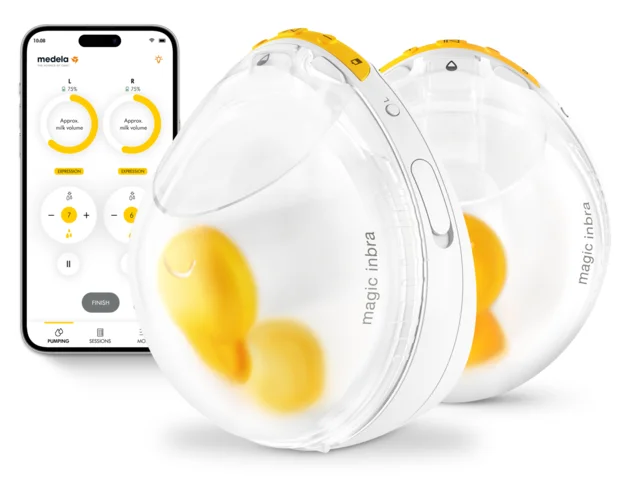
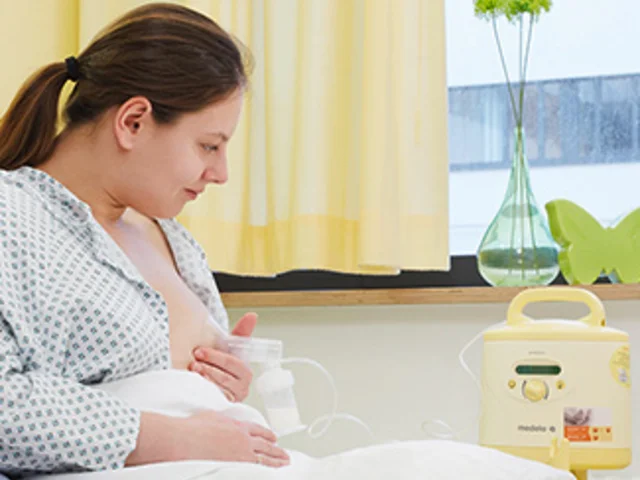
Pumping mothers embrace the convenience and freedom that fully wearable breast pumps provide.1 However, choosing comfort should not mean compromising on efficiency, power and milk output. That is why Medela's next generation breast pump Magic InBra™ combines unmatched hospital performance with innovative technology for comfort and discretion.

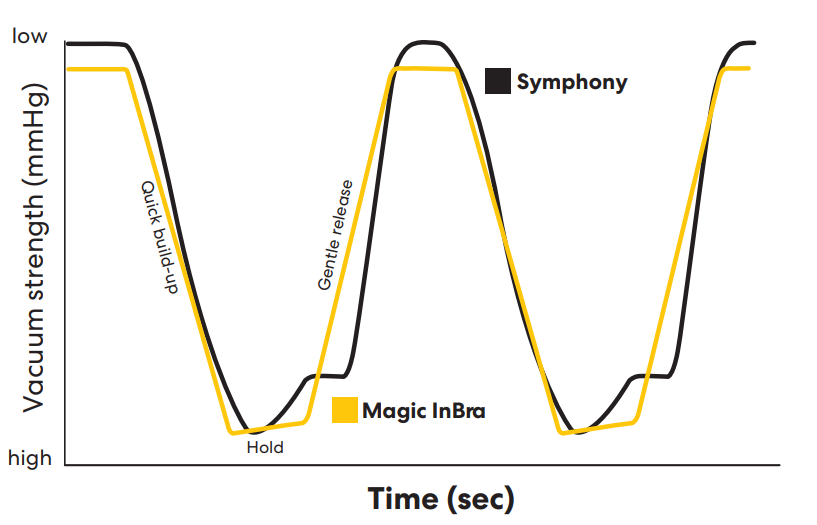
Hospital performance is more than just vacuum strength. One of its secrets lies in the pumping pattern: When feeding at the breast, babies intuitively build vacuum quickly and then gradually release it to get the most milk out. Symphony®, the #1 breast pump used in hospitals worldwide2 , has successfully imitated this behaviour with the clinically proven Symphony® pumping pattern3 to find the best balance of comfort and efficiency.

Hospital DNA
for at home and on the go

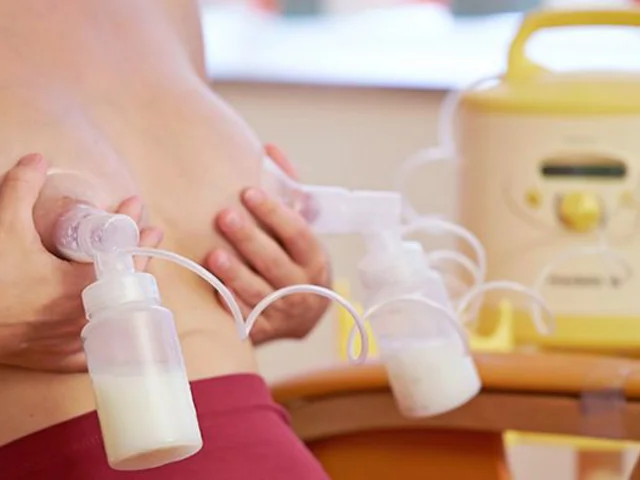
Magic InBra™ is the first personal-use pump to now fully embrace this hospital DNA for highly efficient & comfortable pumping: a quick build-up, comfortable hold and gentle release of the vacuum to promote milk output and optimise pumping comfort. In combination with the other features and practices defining successful hospital performance – the 105° opening angle breast shield, proven to result in up to 11 % more milk4; proper breast shield sizing and pumping with Maximum Comfort Vacuum (MCV)5; as well as up to 18% more milk by practicing double pumping6 – Magic InBra™ ensures continuity in care through similar breast pump technology and functionality, from hospital to home.

Medela Pumping Patterns

A line chart: x-axis= Time (sec), y-axis = vacuum strength (mmHg) from high at the x-axis point to low at the top of the chart. The graph compares Magic InBra to Symphony showing that Magic closely traces the vacuum strength of Symphony during all pumping phases.

Magic InBra™ at a glance

Trusted hospital performance 
Based on Symphony®, the #1 breast pump used in hospitals worldwide2

Innovative FluidFeel Technology™
Inspired by baby. Gentle pumping, even at strong vacuum levels.

Ultra slim anatomic design
Matches the shape of the lactating breast. 105° shields for up to 11% more milk.4

Silent and ultra lightweight
Only 38dB and among the lightest available in-bra pumps with only 200g.

Transparent top-view design & night mode
For easy nipple alignment & visibility on milk flow.

Responsive performance, controlled by sensors
Automatic switch from stimulation to expression.

Remote app control
To track, log and adjust session time, settings and estimated volume of milk expressed. 

Easy to clean and assemble

More milk in half the time
+18% more milk in half the time, containing extra energy6 with double pumping.

Research shows that mothers using in-bra pumps are more likely to extend the duration of breastfeeding compared to those using traditional breast pumps.1

Introducing: FluidFeel Technology™  Research-based innovation for gentle pumping with powerful results 

A micro-environment close to breastfeeding warm temperature around the nipple is known to positively impact milk removal.8,9 The baby intuitively does it best: They effectively stimulate milk flow, then efficiently extract breastmilk with careful yet powerful strokes, all while keeping the mother's nipple comfortably surrounded by warm milk. The warming sensation and application of vacuum on the breast are important factors for successful milk flow6 and directly affect how much milk can be expressed.7

A naturally successful process, Medela's scientists can now emulate. Medela’s innovative FluidFeel™ Technology creates a pumping experience that feels and works similar to breastfeeding. It ensures a constant and gentle seal on the mother's breast and the nipple is continuously surrounded by milk during pumping, designed to create that cozy, warming environment linked to better milk flow.

Automatic switch from stimulation to expression

Using a two-chamber system with multiple sensors, Fluid Feel™ Technology is also designed to ensure the mother gets the most out of each pumping session: During stimulation phase, drops of milk collect in the tunnel (chamber one), then, once let-down happens, milk will spill over into the container (chamber two). Integrated sensors detect this change in real time and trigger the automatic switch from stimulation to expression phase – just like the baby would when naturally switching from non-nutritive to nutritive sucking. The timing of this switch is so relevant, because the first milk ejection is the most powerful and yields the most milk – around 36% of the total milk output.10

In other pumps, it has been up to mothers to detect this initial let-down and switch pump modes manually, however 21% of milk ejections are not sensed by the mother.11 Magic Inbra™ now takes this variant out of the equation to make sure the first let-down can be fully leveraged.

Gentle and quiet pumping experience

The new FluidFeel™ Technology also adds to the mother's pumping comfort because the continuous gentle seal of the pump on the breast minimizes the pull on the nipple, ensuring gentle pumping, even at strong vacuum levels. The fluid-filled system supports the motor unit and makes for a quiet and efficient pumping experience.

This article was originally published in Issue 02 2024 of Beginnings Magazine. You can access other articles from this issue below. The full series of Beginnings Magazine are also available.

References

1. Colbenson GA et al. Breastfeed Med. 2022; 17(6):537–543.

2. NICU & Maternity Ward. Data available upon request.

3. Mitoulas L et al. J Hum Lact. 2002; 18(4):353–360.

4. Sakalidis VS et al. Acta Obstet Gynecol Scand. 2020; 99(11):1561-1567.

5. Kent JC et al. Breastfeed Med. 2008; 3(1):11–19.

6. Prime DK et al. Breastfeed Med. 2012; 7(6):442–447. In comparison to sequential single pumping.

7. Cannon AM et al. Early Hum Dev. 2016; 96:1–6.

8. Gardner H et al. Sci Rep. 2019; 9(1):11854.

9. Kent JC et al. J Hum Lact. 2011; 27(4):331–338. 10 Prime DK et al. Breastfeed Med. 2011; 6(4):183–190.

11. Kent JC et al. J Hum Lact. 2003; 19(2):179–186