Ahora estás viendo: Medela - Spanish
Puedes visitar un sitio web alternativo de Medela en uno de estos países:

Productos Soluciones Artículos Servicios

Dificultades en la lactancia

Nipple care for breastfeeding mums

Hora de lectura: 5 min.

Although breastfeeding is good for you and your baby, it can be hard on your nipples! Read our advice and tips on nipple care to help keep soreness at bay.

Un bebé mira a la cámara desde arriba mientras es sostenido por su madre.

“Breastfeeding shouldn’t hurt” is a mantra new mums often hear. But many find the reality is rather different in the early days.

For starters, during pregnancy most women’s nipples become larger and more sensitive. And when your newborn starts feeding from them he creates pressure and suction unlike anything they’ve ever experienced before (well, if you’re a first-time mum at least).

Breastfeeds can take a long time too – sometimes up to an hour – and your baby may feed up to 13 times a day.1 All this new suction, pressure and saliva can result in sore nipples.

Think about lips that get sore or cracked from the wind or sun. The more you wet them by licking them, the more dry and damaged they get – so you moisturise to soothe and protect them and to help them heal. It’s the same with your nipples.

However, soreness shouldn’t last long as you and your baby should become accustomed to breastfeeding during the first couple of weeks. Treating problems promptly is essential for preventing further damage. So if your nipples crack, start bleeding, or are excruciatingly sore, speak to a lactation consultant or breastfeeding specialist as soon as you can.2

However, prevention is better than cure – so read my troubleshooting tips below.

Check your baby’s latch

The key to pain-free breastfeeding is a good latch. When your baby is latching on, aim your nipple towards the roof of their mouth. This should help them latch on to the nipple, as well as some of the areola (the circle of darker skin around the nipple) beneath it. Having both the nipple and some of the breast tissue into their mouth like this will help the baby feed properly.3

Get your baby’s latch checked by a lactation consultant or breastfeeding specialist in the first few days. They’ll give you advice on overcoming any problems and may suggest alternative breastfeeding positions to help you feed your baby as painlessly as possible.

Watch out for tongue-tie

Tongue-tie (ankyloglossia) affects 4 to 11% of newborns.4 It means the strip of skin that attaches the tongue to the bottom of the mouth, called the lingual frenulum, is too short. A tongue-tied baby may not be able to open their mouth wide enough to take in plenty of your breast when they feed, and their tongue probably won’t cover the lower gum while they suck. The result can be sore nipples for you and frustration for the baby.

A healthcare professional, lactation consultant or breastfeeding specialist needs to assess your baby to confirm a tongue-tie. It can be treated with a simple procedure called a tongue-tie division if necessary. Carried out by a healthcare professional, this doesn’t usually require anaesthetic and may help resolve feeding problems immediately.5

There is a similar, but rarer, condition called a lip-tie, where the frenulum attaching the upper lip to the top gum is too short. Tongue-ties and lip-ties aren’t always picked up in neonatal checks, so if you think one of these could be causing your nipple pain, seek advice quickly.4

Breastfeeding nipple care tips

  • Only wash your breasts with water when you bath or shower. The little bumps (Montgomery glands) on your areolae produce an oil that moisturises and protects your nipples. Soaps and shower gels can strip this natural oil, causing dryness and irritation.6
  • Air-dry your nipples or dab them gently with a towel. Women used to be told to rub their nipples to toughen them up, but this isn’t advised any more – thank goodness!
  • There’s no need to clean the breast or nipples before breastfeeding. In fact, bacteria from the surface of your breast can help develop your baby’s gut microbiome.7
  • Fresh breast milk can help heal damaged nipples,8 so try massaging a few drops into them before and after feeds.
  • Change nursing pads frequently if they become damp to reduce the risk of bacterial or fungal infections, including thrush.6
  • Avoid increasing the gap between breastfeeds to ‘rest’ your nipples. Your baby needs to feed on demand to stay healthy and grow well. Remember, frequent feeding builds and maintains your supply, so keep feeding through any soreness.9

Useful nipple care products

  • Nipple cream made from ultra-pure lanolin – a natural product obtained from sheep’s wool. This moisturises and supports healing. It’s harmless for your baby, so there’s no need to wash off lanolin before breastfeeding.
  • Hydrogel pads can be placed on sore nipples to offer instant breastfeeding pain relief, as well as creating ideal conditions for healing. You can even keep them in the fridge for cooling comfort.
  • Breast shells fit inside your bra. They’re great for stopping clothing rubbing against sore nipples, and have holes in so air can still get to your nipples to help them heal.
  • Nursing bras made from either a breathable material like cotton, or a fabric that dries quickly and wicks excess moisture away from damaged nipples.
  • Nipple shields are silicone covers that fit over your nipples, with small holes for your breast milk to flow through as you breastfeed. They protect the skin underneath and can give a baby with a poor latch something firmer to attach to. In general nipple shields should be considered a short-term solution. If problems or pain occur, consult your lactation consultant or breastfeeding specialist.

When to seek medical help

Once your baby and your nipples are used to breastfeeding, it’s true it shouldn’t hurt. It’s worth reiterating that the number one cause of sore nipples is a poor latch. If one breastfeeding expert hasn’t been able to resolve your nipple pain, try another, and another if necessary.

If your nipple pain persists or you notice unusual symptoms, see a lactation consultant or breastfeeding specialist. White spots or flakiness on your nipples could be thrush, whitish or blueish nipples could be caused by a circulatory disorder such as Raynaud’s disease (vasospasm), and pus or hot redness are signs of infection.2

References

1 Kent JC et al. Volume and frequency of breastfeedings and fat content of breast milk throughout the day. Pediatrics. 2006;117(3):e387-395.

2 Berens P et al. Academy of Breastfeeding Medicine. ABM Clinical Protocol# 26: Persistent pain with breastfeeding. Breastfeeding Medicine. 2016;11(2):46-53.

3 Cadwell K. Latching‐On and Suckling of the Healthy Term Neonate: Breastfeeding Assessment. J Midwifery & Women’s Health. 2007;52(6):638-42.

4 Segal LM et al. Prevalence, diagnosis, and treatment of ankyloglossia: methodologic review. Canadian Family Physician. 2007;53(6):1027-1033.

5 O'Shea JE  et al. Frenotomy for tongue‐tie in newborn infants. The Cochrane Library. 2017.

6 Jacobs A et al. S3-guidelines for the treatment of inflammatory breast disease during the lactation period. Geburtshilfe und Frauenheilkunde. 2013;73(12):1202-1208.

7 Pannaraj PS et al. Association between breast milk bacterial communities and establishment and development of the infant gut microbiome. JAMA pediatrics. 2017;171(7):647-654.

8 Mohammadzadeh A et al. The effect of breast milk and lanolin on sore nipples. Saudi medical journal. 2005;26(8):1231-1234.

9 Kent JC et al. Principles for maintaining or increasing breast milk production. J Obstet, Gynecol, & Neonatal Nurs. 2012;41(1):114-121.

Productos relacionados

Dos almohadillas de hidrogel de Medela. Favorecen la cicatrización y ofrecen un alivio instantáneo del dolor.
Cuidado del pecho

Parches de hidrogel

Un tubo sin abrir de 40 g de crema para pezones Medela Organic.
Cuidado del pecho

Crema Pezones Orgánica

Una crema de lanolina Purelan™ de 7 g de Medela en tamaño de viaje.
Cuidado del pecho

Crema de lanolina Purelan™

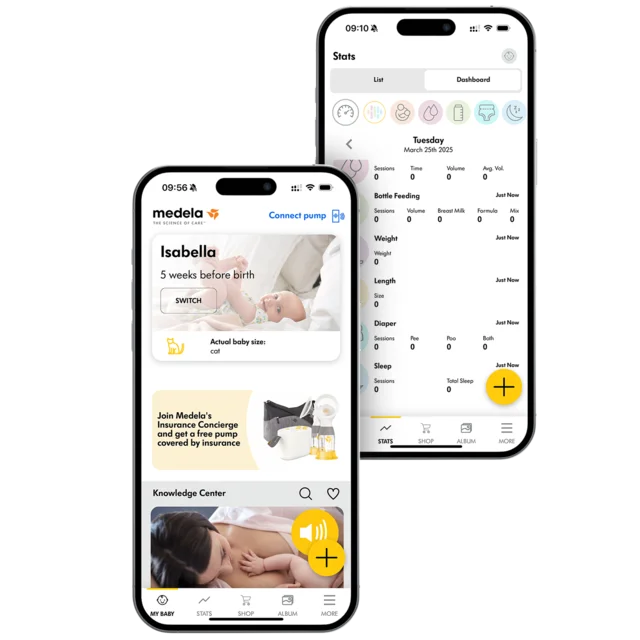
Captura de pantalla de la aplicación Medela Family, pantalla Mi bebé.

Consigue la aplicación!

La aplicación Medela Family te ayuda a hacer un seguimiento de las necesidades de tu bebé desde el embarazo hasta la guardería.


  • Embarazo
  • Lactancia
  • Extracción
Medela Family logo

Artículos relacionados

Artículos que pueden interesarte

breast changes from pregnancy to weaning, highlighting the stages of lactation and breastfeeding
Embarazo y preparacion

Breast changes from pregnancy to weaning

  • Hora de lectura: 6 min.
Una madre amamanta a su bebé sentada en una mecedora junto a la ventana.
Consejos de lactancia materna

Breast milk production: How supply and demand works

  • Hora de lectura: 5 min.
Una madre prepara una comida sana para favorecer una buena nutrición durante la lactancia mientras su bebé duerme en un fular pegado a ella.
El poder de la leche materna

What to eat while breastfeeding

  • Hora de lectura: 7 min.